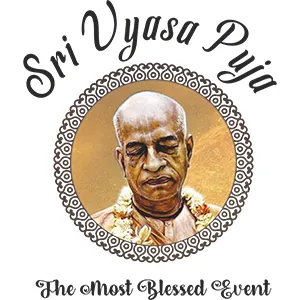
Srila Prabhupāda didn’t just build temples — he built a movement. A movement not of rituals alone, but of seva, or loving service. To understand Prabhupāda’s mood is to understand what truly pleased him — actions offered in a spirit of humility, boldness, purity, and deep responsibility to Lord Caitanya’s mission. His definition of devotional success was not external performance, but internal sincerity and mission-driven dedication.
Here, we rank the sevas (services) that most meaningfully reflect his heart — services that are not just important, but infused with the spirit in which Prabhupāda lived and served.
1. Book Distribution – The Sankirtan Mission in Motion
Srila Prabhupāda’s clearest desire was to flood the world with transcendental knowledge. He often called book distribution the “most important service” and equated it with saving souls.
Book distributors not only carry his legacy forward — they literally place his words into the hands of the public. Their service captures his urgency, his compassion, and his faith in the power of śāstra. Whether it’s on a street corner or through digital means, this is seva directly aligned with Prabhupāda’s core mood: “Print and distribute books. This will do the greatest good to the world.”
2. Preaching – Sharing the Message Without Fear
Prabhupāda never shied away from debate, dialogue, or public teaching. His mood was fearless yet respectful, philosophical yet relatable.
Those who take the role of teachers, preachers, and mentors — in homes, universities, online platforms, or temple settings — embody his missionary zeal. When someone steps forward to speak the truth of Krishna consciousness, especially in a non-devotional environment, they reflect Prabhupāda’s own courage. Whether through lectures, YouTube channels, podcasts, or local satsangs, this preaching spirit is his heart’s work.
3. Deity Worship – Meticulous, Majestic, and Meditative
While Srila Prabhupāda emphasized spreading Krishna consciousness widely, he also stressed purity at the core. He personally established the standards of Deity worship and saw it as the foundation of temple life.
Those who serve in the deity department — dressing, cooking, cleaning, offering arotis — reflect his mood of devotion with precision. For Prabhupāda, cleanliness was not just next to godliness; it was an expression of love. A pujari with reverence, attention to detail, and strict sādhanā brings joy to Prabhupāda.
4. Harinām Sankirtan – The Street Yajña
When Srila Prabhupāda began chanting in Tompkins Square Park, it wasn’t just a musical performance — it was a revolution. He introduced Harinām as the yajña of Kali-yuga, the most powerful way to cleanse the heart and spread the holy name.
Devotees who regularly go out for public chanting reflect this spirit. Their willingness to face ridicule, heat, traffic, or indifference shows Prabhupāda’s own mood: bold, joyful, and uncompromisingly Krishna-centered.
5. Temple Cleaning – Humility in Action
Srila Prabhupāda personally swept floors and washed pots in the early days. He praised those who clean the temple with love, even placing it above scholarship. Why? Because this reflects genuine humility — a core Vaishnava trait.
Those who serve in temple maintenance, cleaning, and behind-the-scenes logistics often go unnoticed, but their seva deeply reflects the mood of a servant-leader. To clean Krishna’s house is to cleanse one’s heart.
6. Cooking and Prasādam Distribution – Feeding Souls, Not Just Stomachs
Prabhupāda’s relationship with prasādam was profound. He considered cooking not as routine, but as sacred. He gave precise cooking instructions and emphasized that prasādam should be served generously and tastefully.
Those who cook with devotion and distribute prasādam with love reflect his mood. Whether in a festival kitchen, a food relief van, or a Sunday feast, this service carries both nourishment and mercy — a perfect balance of body and soul care.
7. Cow Protection – The Forgotten Pillar
Srila Prabhupāda called cow protection a cornerstone of civilized society. He believed that protecting cows was not optional for spiritual people, but essential.
Devotees engaged in go-seva — feeding, milking, grooming, or sheltering cows — reflect his deep respect for Vedic culture. Even though it may not always be glamorous, cow protection is a seva that embodies both compassion and scriptural obedience.
8. Gurukula and Teaching – Molding the Future
Srila Prabhupāda often lamented how modern education led children away from dharma. He wanted to raise children as pure devotees — intelligent, responsible, and Krishna-conscious.
Teachers and mentors in ISKCON schools or even home-based education systems reflect this deep concern. They are not just educators, but shapers of the next generation of leaders. When they combine Krishna’s philosophy with affection and discipline, they fulfill a major piece of Prabhupāda’s mission.
9. Gṛhastha Community Building – Strengthening the Foundation
While Prabhupāda is known for renunciation, he also strongly emphasized the role of strong gṛhastha communities in spreading Krishna consciousness. He wanted temples to be surrounded by committed householders who could raise Krishna-conscious families and support the mission.
Those who serve as mentors, counselors, and community organizers within the congregation are nurturing exactly what Prabhupāda desired — a society, not just a temple.