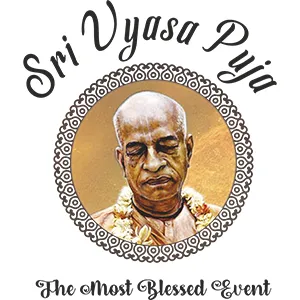
When His Divine Grace A.C. Bhaktivedanta Swami Srila Prabhupāda founded ISKCON in 1966, it was not simply to create a spiritual organization, but to establish a dynamic, global movement rooted in the ancient science of Krishna consciousness. As the spiritual architect of ISKCON, Srila Prabhupāda laid down the foundation stones with great care, foresight, and divine insight. Over his lifetime, he clearly instructed what must never be compromised or diluted, so that the movement could remain pure and effective in delivering Krishna’s message.
As ISKCON continues to expand in reach, diversity, and responsibility, it becomes essential to reflect on the non-negotiable aspects Prabhupāda emphasized for future generations to preserve. Here is a ranked list of those core aspects — the spiritual pillars he repeatedly asked us to uphold:
1. Śrīla Prabhupāda’s Books Must Be the Foundation
At the top of the list is Srila Prabhupāda’s unwavering instruction: “My books will be the law books for humanity for the next ten thousand years.”
He tirelessly wrote over 70 volumes of translations and commentaries on Vedic scriptures such as the Bhagavad-gītā, Śrīmad-Bhāgavatam, and Caitanya-caritāmṛta. He considered these works as his greatest contribution and asked his disciples to distribute them far and wide.
Maintaining the original integrity of his writings — both in meaning and spirit — is a sacred duty. They are not just texts; they are living guidebooks infused with divine realization.
2. Daily Sādhana and the Morning Program
Prabhupāda stressed the importance of daily devotional practice, beginning with the morning program. Mangala ārati, chanting 16 rounds, hearing class, Deity worship, and guru-pūjā are not optional traditions — they are the lifeline of a devotee’s spiritual strength.
He emphasized that without regulated sādhana, one cannot make meaningful progress or maintain the purity of consciousness required for seva. The morning program was designed by him personally, and he expected ISKCON to safeguard this spiritual routine in every center, home, and heart.
3. Strict Adherence to the Four Regulative Principles
Srila Prabhupāda often reminded devotees that spiritual life requires discipline. He instituted four core vows for initiated devotees: no meat eating, no intoxication, no illicit sex, and no gambling.
These principles are not cultural preferences — they are spiritual boundaries meant to protect the soul’s progress. He warned that diluting these principles would destroy the spiritual power of ISKCON. They serve as the moral spine of the movement, without which our integrity fades.
4. Chanting the Holy Name — Harināma Sankīrtana
Chanting Hare Krishna was central to Prabhupāda’s personal practice and his global mission. Whether on the streets of New York or the beaches of Mumbai, he wanted the Holy Name to resound in every town and village.
He strongly encouraged public harināma, daily personal japa, and organized nāma-haṭṭas. The Holy Name, he said, is both the means and the goal. No matter how many projects we develop, if the Name is not being glorified and heard, the soul of ISKCON becomes weak.
5. Deity Worship Done with Purity and Regularity
Srila Prabhupāda personally established Deities in temples around the world and trained devotees in arcana. He emphasized that once Deity worship is started, it must never stop.
The Deities are not idols — they are Krishna Himself, accepting our service. He warned against neglect and urged temple managers and pujaris to maintain regularity, cleanliness, and love in all offerings. He saw Deity worship not just as ritual, but as a way to deepen our personal relationship with the Lord.
6. Unity Through the GBC System
Srila Prabhupāda established the Governing Body Commission (GBC) not just as an administrative tool, but as Krishna’s managerial representative. He instructed that the GBC should lead collectively, always consulting śāstra, sādhu, and guru.
Though imperfect at times, the structure of leadership was meant to avoid centralized power, encourage accountability, and preserve unity in diversity. Prabhupāda warned that if this system were dismantled or ignored, chaos and fragmentation would follow.
7. Devotee Care and Vaishnava Relations
Though he was strict, Prabhupāda was also incredibly compassionate. He wanted devotees to live like a family, supporting and nourishing one another.
He often said, “Love and trust among devotees is the real success of ISKCON.” Fights, offenses, and politics go against the very grain of Vaishnava culture. To him, how we treat each other was a reflection of how we treat Krishna.
8. Preaching with Boldness and Relevance
Prabhupāda was not interested in creating a quiet monastery. He wanted ISKCON to be an active preaching movement — distributing books, holding festivals, teaching philosophy, cooking prasādam, and transforming lives.
At the same time, he advised that preaching should be intelligent, culturally sensitive, and boldly truthful. He gave flexibility in form but insisted on firmness in content. Today, podcasts, dramas, social media, and campus preaching all serve this goal — as long as the purity of message is intact.
9. Protecting the Brahmacārī and Gṛhastha Aśramas
He wanted balanced communities — with trained brahmacārīs, stable gṛhasthas, and respected vānaprasthas. He warned of the dangers of unregulated household life or forced renunciation. ISKCON’s long-term health, he believed, depended on spiritually balanced devotees living with clarity in their ashram roles.
10. Loyalty to the Paramparā
Finally, Srila Prabhupāda always reminded us that we are servants of the disciplic succession, not creators of a new ideology. His mission was to carry forward the teachings of Lord Caitanya Mahāprabhu and the six Gosvāmīs.
He said, “What I am giving is not mine — it is from Krishna and the guru paramparā. Just repeat it faithfully.” Staying loyal to that lineage — in letter and spirit — is perhaps the most vital aspect to maintain.